
Urban Legends That Blur Fiction And Morbid Reality

The internet was initially expected to completely eliminate traditional folklore by providing instant access to facts. Instead, the digital landscape has become a fertile breeding ground for urban legends, allowing them to spread faster than ever before. A shadowy figure caught on a doorbell camera can escalate into a global panic within hours. We are drawn to these narratives because they tap into our deepest, unspoken fears.
Understanding these tales requires looking past the supernatural elements. The most persistent urban legends often have roots in unsolved mysteries or snippets of morbid reality, making them just plausible enough to bypass our skepticism. People share them not always out of belief, but out of a primal instinct to warn others about potential danger. This specific survival mechanism keeps the terrifying stories alive for years.
The Anatomy of a Modern Myth
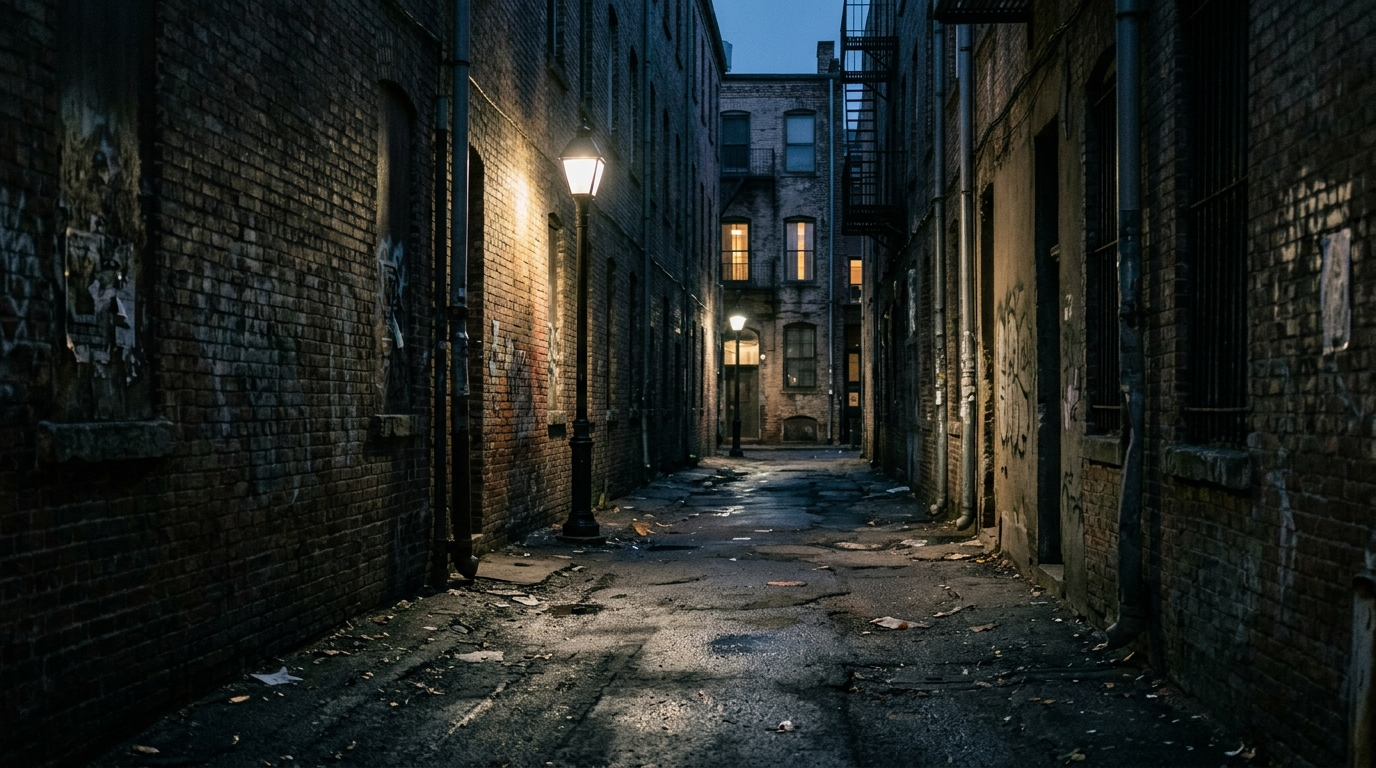
Every culture creates cautionary tales to explain the unknown. Today, those boundaries have shifted from dark woods to dark webs, but the underlying psychology remains identical. An effective urban legend requires a specific combination of plausibility and terror to truly take hold. It must feel like something that could happen to a close friend, placing the threat uncomfortably close to home.
This proximity to reality is what makes these stories endure. When a narrative aligns with our existing anxieties about technology or isolation, our brains prioritize the emotional impact over logical inconsistencies. Consequently, we forward the warning to our networks. This rapid sharing acts as a validation mechanism, adding credibility to a purely fictional premise.
How Digital Platforms Amplify the Fear
Before smartphones, scary stories took years to cross geographical borders. Now, social media algorithms accelerate this process exponentially. A single creepy photograph or a cryptically edited video can reach millions of screens overnight, completely stripped of its original context.
This lack of context is a crucial ingredient for modern folklore. Without a clear origin, the audience projects their own interpretations onto the media. The story becomes interactive, with thousands of users acting as amateur detectives, adding their own evidence to the growing pile of rumors.
The Role of Anonymity in Storytelling
Anonymous forums provide the perfect incubator for these unsettling narratives. Users can post first-person accounts without the burden of proof. Because the identity of the storyteller is unknown, the focus remains entirely on the chilling details. This collaborative fiction blurs the line between a harmless tale and a genuine warning.
Over time, the original source is buried under thousands of reaction posts. The narrative detaches from its creator and becomes public property. At this stage, the urban legend reaches its final form, adapting to the specific fears of its new audience.
Tracing Patterns in Unsolved Mysteries
If you analyze enough of these stories, clear patterns begin to emerge. The narratives almost always exploit specific vulnerabilities in our daily routines. To better understand how these myths categorize human anxiety, we can look at the common themes that dominate contemporary folklore.
|
Theme Focus |
Primary Anxiety |
Transmission Method |
Typical Setting |
|
Technology |
Loss of privacy |
Viral videos |
Smart homes |
|
Isolation |
Unknown intruders |
Forum threads |
Empty roads |
|
Contamination |
Hidden poisons |
Text chains |
Public spaces |
|
Surveillance |
Being watched |
Image boards |
Personal devices |
As the table illustrates, the setting of a legend frequently dictates its emotional impact. A story about a compromised smart home taps into our modern reliance on technology, while a tale about an empty road relies on ancient fears of isolation.
Frequently Asked Questions About Urban Legends
How do urban legends actually start?
Most of these narratives begin as a slight misinterpretation of a mundane event or a highly localized rumor. Someone might witness something unusual, share the story with a slight exaggeration, and then the audience further embellishes the details. Within a few cycles of retelling, the original event is completely unrecognizable, replaced by a much darker narrative.
Why do people still believe in urban legends today?
People continue to believe these tales because they often validate pre-existing suspicions. When a story confirms a deep-seated fear about a specific location or technology, cognitive bias makes it difficult to dismiss. Additionally, the sheer volume of people sharing the story across multiple social networks creates an illusion of consensus and truth.
Can an urban legend stem from morbid reality?
Yes, many of the most unsettling myths are loosely based on actual crimes or historical tragedies. The human mind tries to process these horrific events by turning them into structured narratives. By transforming a chaotic tragedy into a cautionary tale with clear rules, society attempts to gain a false sense of control over the unpredictable nature of the world.
The Future of Our Darkest Stories
As technology continues to advance, the methods we use to share our fears will inevitably transform. Deepfakes and artificial intelligence will provide new, highly convincing tools for crafting the next generation of myths. The line separating a fabricated story from verified news will become increasingly difficult to navigate, demanding a higher level of digital literacy from the general public.
Despite these technological shifts, the core function of these narratives will never change. We will always need a way to confront the darker aspects of human existence from a safe distance. Urban legends serve as a mirror, reflecting the collective anxieties of the society that creates them. As long as we have fears to process, we will continue to invent monsters to explain them.